Accredited courses from leading Australian universities, TAFEs and colleges


Qualification Level
Accredited courses from leading Australian universities, TAFEs and colleges


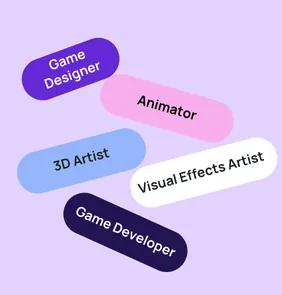
Australia’s gaming and animation field sits between art and engineering. It makes interactive games, animated shows, visual effects and digital content for local and global markets. This work rewards technical skill as much as creative vision, and it keeps drawing in people who love visual storytelling.
According to Jobs and Skills Australia, around 3,400 illustrators and animators work nationally, plus roughly 1,100 game and multimedia developers. Most work is based in Victoria and New South Wales, where studios sit close together. Growth comes from streaming, mobile games and the rise of virtual reality in entertainment, education and training.
Many people start with a diploma in animation, game art or interactive media. From there, many go on to a bachelor’s degree for senior or specialised roles. Online study has made these courses easier to reach, letting students build a portfolio around work or family life.
Technology behind games and animation keeps changing fast. Workers who keep up with new tools and platforms tend to move into senior creative or technical roles as their years on the job grow.
Gaming and Animation workers may earn between $47000 and $110000 per year
According to PayScale (2026), animators in Australia earn an average base salary of around $60,600 a year. Video game artists average around $65,000. Entry-level roles such as junior designers or programmers often start closer to $47,000. Senior workers with strong portfolios can earn well over $100,000.
Graduates of animation and visual effects courses move into a wide range of roles across entertainment and media. Common career paths after study include positions such as:
People who study animation and visual effects move into a wide mix of jobs that use both creative and tech skills. Many become animators, drawing characters and scenes for film, TV and games, or effects artists who blend digital work into live footage. Others build 3D models for games and film, or sketch storyboards to guide a shoot.
Some design games and the way they play, while others build animated graphics for ads and promos. Character designers dream up new characters for shows and films, and technical leads oversee the tech side of a production.
Many move into project leads, art direction or production roles as they gain years on the job. The work often means close teamwork with writers, directors and sound crews to bring one shared vision to life.
Keeping up with new tools matters in this fast-moving field, and a strong portfolio remains one of the best ways to open doors. Building real ties within the industry can make a big difference to a career too.
Thriving in animation and visual effects usually calls for a mix of creative and practical skills, including:
The job market for animation and visual effects workers in Australia stays solid. Demand holds steady across film and TV production, video game work, ads and digital media. Many graduates join studios, while others build freelance careers or start their own small studios.
Growth should continue as digital content use rises and new tech creates fresh formats to work in. Most roles cluster in big cities like Sydney, Melbourne and Brisbane, where studios and production firms are based.
Pay usually reflects experience and specialisation. Entry-level roles start lower, and senior roles pay much more once workers build a track record and take on more responsibility.
Bachelor’s degrees in game design or digital animation give solid grounding for gaming and film work. Many include work placements or a final project.
According to PayScale, animators and multimedia workers in Australia earn between $60,000 and $95,000 a year. Senior staff can pass $100,000, based on skill and sector.
Yes. Master’s programs in digital media or game programming let workers specialise further. These suit people who want to lead teams or build new tools at big studios.
Definitely. Skills like 3D modelling and design carry over into fields such as building design, ads and health imagery.
Look for programs with real ties to game studios or animation houses. Many top courses also offer internships or links to creative employers across Australia.