Accredited courses from leading Australian universities, TAFEs and colleges


Qualification Level
Accredited courses from leading Australian universities, TAFEs and colleges



Landscape design covers the planning and layout of outdoor spaces, from private gardens to civic parks and commercial developments. Practitioners combine an eye for looks with technical know-how. They shape land so it works for the people who use it, while respecting the site’s natural conditions.
Australia’s landscape workforce is notably balanced. Jobs and Skills Australia figures show close to equal numbers of men and women, with a median age of 39. Urban growth and a stronger focus on sustainable design keep pushing demand for practitioners who can deliver creative, technically sound work.
Study pathways range from diploma-level design courses through to full landscape architecture degrees. A diploma in design gives graduates a strong grounding in concept development, materials and software. A bachelor’s degree opens the door to registration and larger-scale project work.
As cities densify and climate-responsive design becomes standard practice, landscape professionals who blend creative thinking with solid technical grounding are well placed for long-term careers. The sector rewards those who keep pace with new materials, software and sustainability standards.
Landscape Design workers may earn between $59000 and $100000 per year
Landscape architects earn an average of AU$69,481 a year, according to PayScale’s 2026 Australian data. Typical pay ranges from around $59,000 for entry-level roles to $100,000 for experienced professionals. Jobs and Skills Australia data counts around 3,800 people in the role nationally. Steady work is expected as urban greening and sustainable design projects continue to grow.
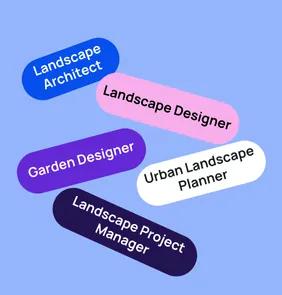
Finishing a landscape design or landscape architecture course opens up a range of career directions. You might join a design studio, work with a local council, or eventually run your own practice. Graduates often go on to work as a:
Landscape design graduates take on varied, hands-on work that shapes the outdoor spaces communities rely on. Depending on their training and experience, they might:
Many graduates stay involved once construction begins. They check that work matches the plan and meets quality standards. Others focus on environmental restoration, helping rehabilitate degraded land or support biodiversity through thoughtful planting.
This work sits at a rewarding meeting point of creativity and practical problem-solving. It plays a real part in making Australian communities greener and more liveable.
Doing well in landscape design takes a blend of creative flair and practical, everyday know-how. It helps to check whether these strengths already come naturally to you, or whether you’re keen to build them through training:
Landscape professionals in Australia find work across a genuinely wide mix of settings. Some join government departments, others work in private design studios, and many end up at local councils or environmental consultancies. That variety means you can often shape your career around the kind of work you enjoy most.
Most landscape architects work in professional and technical services, construction, or public administration, according to Jobs and Skills Australia. Roughly a third of the workforce is based in each of New South Wales and Victoria. As cities keep growing, sustainable design is becoming a bigger priority for planners. That trend should keep demand for skilled practitioners fairly steady. Graduates who want to branch out can also move into related fields like urban design, horticulture and environmental management.
Landscape designers typically work on small to medium-scale projects and may hold a diploma qualification. Landscape architects complete a university degree and take on larger, often public or urban developments with greater technical and regulatory complexity.
Yes. Some diploma-level design courses offer credit pathways into a bachelor’s degree in landscape architecture or environmental design. This can reduce both course time and cost.
With growing focus on sustainability and green urban planning, landscape design careers are in solid demand. Jobs and Skills Australia data points to steady growth, especially in urban and suburban development.
Yes. Graduates with a relevant bachelor’s degree can progress to postgraduate study. This isn’t a requirement for most design roles, though.
Choose a course that includes CAD or 3D modelling training, environmental planning and real-world projects. Check the course is listed on training.gov.au to confirm it’s nationally recognised.