Accredited courses from leading Australian universities, TAFEs and colleges


Qualification Level
Accredited courses from leading Australian universities, TAFEs and colleges



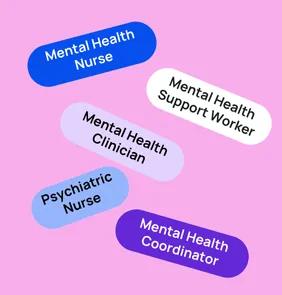
Mental health support is one of the busiest parts of Australia’s health and community sector. About one in five Australians face a mental health issue each year. That steady need has driven strong growth in support, case work and allied health roles. Jobs now span public hospitals, community groups, NDIS providers and private clinics.
Government funding through Better Access has made psychology and counselling easier to access, according to the Jobs and Skills Australia employment outlook. This has raised demand for both clinicians and the support workers who assist them. Telehealth has also brought mental health care to regional and remote areas. This has opened new roles for staff who are at ease with online service delivery. A Certificate IV in Mental Health stays the standard way in. A Diploma of Mental Health or Diploma of Community Services suits those aiming for case work or team leadership.
Course paths tend to stay flexible. Many blend online theory with local, hands-on placements, so learners can study around work and family life. Some states fund places for eligible students, which cuts the cost of entering the field.
For those weighing a career change, mental health offers a clear path up. Workers can move from front-line support through to case work, and with more study, into clinical roles. Steady growth in mental health funding points to lasting demand for well-trained staff.
Mental Health workers may earn between $70000 and $85000 per year
According to SEEK career advice data (2026), mental health support workers in Australia typically earn between $70,000 and $85,000 a year. Pay varies by state, employer and experience. Clinical roles that need further study, such as psychology or mental health nursing, usually pay more within that broader range.
Graduates of mental health courses move into a wide range of roles across hospitals, community health services and private practices. Once qualified, common next steps include working as a:
People working in mental health support others through some of the hardest times in their lives. The day-to-day work is varied. Much of it involves direct contact with clients: building trust, understanding their situation, and working out what kind of support will actually help. Typical duties include:
Some graduates move beyond direct client work. They contribute to research, policy or program design that shapes how mental health services are delivered more broadly. Whichever path they take, the goal stays the same: helping people build a more stable, supported life.
Doing well in mental health work takes a mix of personal traits and practical skills, since you’re helping people through genuinely hard times. The traits that matter most include:
Job opportunities in mental health have grown steadily as demand for services rises across Australia. Graduates find work in public hospitals, community health groups, private practices and non-profit organisations. Common job titles include:
National workforce data from the Australian Institute of Health and Welfare shows steady growth in mental health worker numbers in recent years. This reflects ongoing government spending in the sector. That spending is likely to keep creating new roles across community, clinical and support settings in the years ahead.
Psychologists are registered professionals. They diagnose conditions and run structured therapy sessions. Mental health support workers give practical, day-to-day help and coordinate care. Both roles matter, but they need different qualifications and have a different scope of practice.
Start with a Certificate IV in Mental Health or a diploma. Then move on to a bachelor’s degree in social work, psychology or mental health nursing. Course accreditation details are published by the Tertiary Education Quality and Standards Agency.
Much of the theory can be studied online. Most accredited courses still need some in-person clinical or placement hours. Check each course’s structure for its blend of online and in-person study before you enrol.
They sit at the centre of modern training. Courses now build in trauma-informed care so graduates can support clients with lived experience safely. This approach underpins good service across the whole sector.
Yes. Many vocational and postgraduate mental health courses count toward ongoing training for allied health and community services staff. Training providers must be listed on training.gov.au.