Accredited courses from leading Australian universities, TAFEs and colleges


Qualification Level
Accredited courses from leading Australian universities, TAFEs and colleges


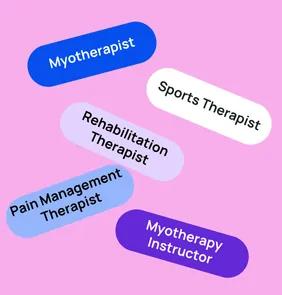
Myotherapy sits at the clinical end of natural therapies. It focuses on muscle and joint pain and the movement problems that come with it. Myotherapists use soft tissue work, joint mobilisation, dry needling and exercise to help clients recover and move with less pain. The field rests on a solid grasp of anatomy, body mechanics and proven practice.
Interest in allied health keeps rising across Australia as more people look for drug-free ways to ease pain and improve movement. Myotherapists increasingly work with physios, osteopaths and GPs as part of a shared care team, which shows how far the field has come. For anyone weighing a career change, that growing trust makes myotherapy a solid choice.
The path into the field runs through nationally recognised training. Most students first complete a remedial massage diploma. They then build on that with a myotherapy course at the advanced diploma level, taught by an accredited provider. Graduates leave with strong hands-on and assessment skills, ready for supervised work before they treat clients on their own. See diploma-level courses to find a training path that fits your goals.
Pay and demand both trend up for myotherapists who build a strong name and a clear focus area. That focus might be sports recovery, chronic pain or workplace wellness. As the field keeps maturing, those with good client skills and a head for business are well placed for long-term growth. It’s a strong choice for anyone who wants hands-on work with real room to advance.
Myotherapy workers may earn between $66000 and $115000 per year
Myotherapists earn an average of AU$36.72 an hour, according to PayScale’s 2026 Australian data. Yearly pay typically runs from around $66,000 to $115,000, depending on experience and focus area. Work in the wider massage and remedial therapy field stays steady, per Jobs and Skills Australia.
Finishing a natural therapies course opens up a range of career paths, whether you want to join a clinic or build your own practice. Graduates often go on to work as a:
Graduates from natural therapies courses take on hands-on roles that help people feel and move better each day. Depending on their chosen field, they might work as:
Beyond one-on-one work, many graduates also share what they know more widely. They run workshops, write helpful content and take part in health events that build awareness of natural therapies.
Teamwork is common across the field, with practitioners often working beside GPs, physios and other health staff. This shared approach means clients get well-rounded care that draws on each person’s own strengths.
Doing well in natural therapies takes a mix of solid know-how and real people skills. Check whether you have these strengths:
Work in natural therapies spans private clinics, wellness centres, hospitals and community health groups, and the field keeps growing. Rising public interest in holistic health keeps demand strong for trained practitioners right across the sector.
Myotherapists, for example, earn an average of AU$36.72 an hour, per 2026 PayScale data, with clear room to grow as they gain experience and add extra skills. Many choose to build their own practice over time, which gives them full say over their hours and how they work.
Yes. Myotherapy is a recognised allied health service in Australia. Myotherapists often work with physios, chiropractors and osteopaths, and they share notes and plans inside shared clinics.
A myotherapist checks, treats and manages muscle and joint pain. Depending on the client, that might mean soft tissue work, joint movement, posture fixes or a set of exercises to build strength.
GPs, physios and sports doctors often send clients to a myotherapist. The role sits beside these jobs and focuses on soft tissue work and nerve and muscle recovery.
Look for a course run by a provider listed on training.gov.au. Graduates should also meet the rules set by the industry and its main groups.
Yes. Many myotherapists go on to add short courses in sports recovery, dry needling or movement skills. These extras widen your skill set and help you stand out.