Accredited courses from leading Australian universities, TAFEs and colleges

Pharmacy Courses



About Pharmacy
Australia’s pharmacy sector is one of the most dynamic corners of healthcare, and studying now positions you to grow with it. Community pharmacies remain the most visible part of the field. Hospital pharmacy, wholesale distribution, and regulatory affairs each offer a distinct path for ambitious professionals.
The sector keeps expanding its scope of practice. Pharmacists now deliver vaccinations and health screenings, and in several states they can prescribe certain medicines. This shift means graduates take on real responsibility earlier in their careers than in the past.
A course like the Certificate III in Community Pharmacy gives you a strong entry point. It combines dispensary skills with hands-on customer service experience, and it is listed as a nationally recognised qualification on training.gov.au. From here, many people move into technician roles, dispensary management, or further study in a related health field. Eligible students can also look at government-funded course options to help manage the cost of starting out.
Pharmacy suits people who value precision, enjoy lifelong learning, and want their work to make a genuine difference. Professionals in this field see their expertise matter every single day.
Average Salaries
Pharmacy workers may earn between $55000 and $150000 per year
Pharmacist pay varies with experience and setting, but recent Australian data points to a solid, stable income. Most pharmacists earn between $100,000 and $120,000 a year, according to SEEK’s 2026 career advice data. Jobs and Skills Australia reports median full-time earnings of about $1,956 a week before tax.
Entry-level roles such as pharmacy assistants typically start lower, often in the $55,000 to $65,000 range. Senior pharmacists and pharmacy managers can earn upward of $130,000 to $150,000, depending on location and responsibility.
Career Outcomes
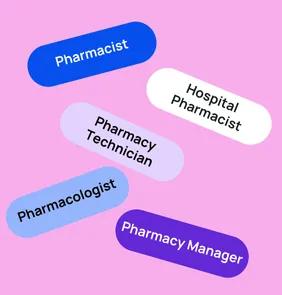
After finishing a pharmacy course, graduates can move into many roles. These span community, hospital, and wholesale pharmacy work. Common next steps for graduates include a job as a:













What do Pharmacy graduates do?
People who work in pharmacy support patients at key moments in their health journey. Community pharmacists dispense prescriptions and check for drug interactions. They explain how to take each medicine safely. Many also give vaccinations, run health checks, and offer quick advice for everyday ailments. This makes the local pharmacy one of the most accessible parts of the health system.
Behind the counter, pharmacy technicians and assistants keep the dispensary running smoothly. They prepare medicines, manage stock, and process prescriptions. This helps patients get served quickly and safely. The role is a common way into the industry. It often becomes a stepping stone toward further study.
Beyond the local pharmacy, graduates find roles in hospitals, aged care, and drug distribution. Hospital pharmacists work closely with doctors and nurses. Together they manage complex medicine plans for patients with several health issues. Others move into regulatory work, clinical trials, or wholesale supply, helping medicines travel safely from maker to patient.
Across every setting, people in pharmacy share a strong focus on accuracy and patient safety. They also value lifelong learning. New duties, such as wider prescribing rights for pharmacists, keep opening fresh career paths across the whole field.
Is Pharmacy right for you?
Pharmacy suits people who combine scientific curiosity with genuine care for others. To thrive in the sector, it helps to bring:
- Strong attention to detail, especially when checking doses and drug interactions
- Clear communication skills for explaining medicines to patients of all ages
- Sound judgement and a strict sense of professional ethics
- Comfort with technology, including dispensing software and digital health records
- The ability to stay calm and organised during busy periods
- A genuine interest in ongoing learning, since medicines and guidelines keep changing
- Teamwork skills, since pharmacists work closely with doctors, nurses, and support staff
Job opportunities
Job openings in pharmacy span retail, hospital, and corporate settings. This gives graduates plenty of room to shape their own career path. Common workplaces include local pharmacies, public and private hospitals, aged care homes, and drug companies.
More than 42,000 pharmacists now hold professional registration in Australia, according to 2026 Pharmacy Board of Australia data. Demand keeps rising too, as the population ages and medicine needs grow more complex. Pharmacy technicians and dispensary assistants are also in steady demand, especially in regional towns.
Many people build long, rewarding careers by choosing a focus area. Some move into hospital pharmacy work, while others choose drug sales or regulatory roles as they gain experience. Industry groups offer ongoing training and support for anyone looking to keep growing in this field.
Frequently Asked Questions
Pharmacy is a career built on care, evidence, and trust. That’s why so many career changers and graduates choose it. Knowing how the profession works, and where the jobs are, helps you plan your next move with real confidence.
Is a pharmacy degree accredited in Australia?
Yes. Every pharmacy degree must be approved by the Pharmacy Board of Australia. Once you finish your degree and internship, you can register to practise.
What is the difference between a pharmacy technician and a pharmacist?
Pharmacy technicians help prepare and dispense medicine, working under a pharmacist’s watch. Pharmacists hold a university degree and give clinical advice, and they take charge of prescription safety.
Can overseas pharmacists practise in Australia?
Yes, in most cases. Pharmacists trained overseas must pass an assessment run by the Australian Pharmacy Council, and some may need extra bridging study first.
Are pharmacy graduates in demand?
Yes, especially in regional towns and aged care. As more Australians age and need help with their medicines, demand for pharmacists keeps rising in both community and hospital settings.
Is a master’s-level pharmacy course right for non-science graduates?
Some universities offer bridging study or a graduate-entry path into these courses. You will usually need to have studied chemistry and human biology first.


