Accredited courses from leading Australian universities, TAFEs and colleges


Qualification Level
Accredited courses from leading Australian universities, TAFEs and colleges



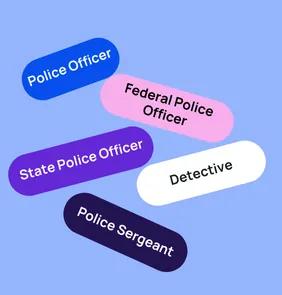
Policing suits people who want a hands-on job protecting their local community. State and territory police forces handle day-to-day law enforcement. The Australian Federal Police takes on national security and serious crime instead.
Jobs and Skills Australia data puts national police numbers at around 70,100. Growth stays steady too, with about 900 new roles added most years. Officers can move well beyond street duty into forensic work, intelligence or major crime teams over time.
Entry rules stay fairly similar across most services. You need to be at least 18 and pass health and mental fitness checks. Recruits then live and train at a police college for months. Study in justice or public safety gives you a real head start before you apply.
Focused study can also open a path into specialist roles rather than general duty. The Diploma of Forensic Identification (Document Examination) builds skills for document and identity work inside police services.
Police workers may earn between $60000 and $92000 per year
According to PayScale (2026), the average base pay for a police officer in Australia is $71,404 a year. Base pay usually runs from about $60,000 for new recruits up to $92,000 for senior officers. Total pay, once you add allowances, climbs even higher in senior or specialist roles.
Finishing a justice, criminology or public safety course opens the door to a range of roles within policing and the wider justice system. Graduates may go on to work as a:
Police officers protect communities across Australia. They respond to emergencies, work to prevent crime and support people at some of the hardest moments in their lives. No two shifts look the same, and the list below shows just how varied the job can be.
Many officers go on to specialise. Areas like forensics, cybercrime, family violence response or counter-terrorism let them build deep skills that support safer communities over the long run.
Thriving in policing takes a mix of hands-on skill and personal grit. Strong candidates tend to bring the traits below to the job.
Jobs in policing span federal, state and local government, plus private groups that need compliance skills. Graduates can apply to state and territory police, the Australian Federal Police, or agencies that enforce specific laws.
Jobs and Skills Australia data shows police numbers growing by around 900 roles a year. Hiring stays active across every state and territory to meet local safety needs. This steady growth gives new officers a solid start on a long-term career.
Making the move into policing suits people who want a career built on service and steady growth. Many candidates come from justice, security or community work, and that background often helps their case.
Recruitment usually means fitness, mental health and medical checks before academy training starts. Building relevant knowledge first helps you arrive prepared. Courses in justice or public safety cover the basic legal and ethical skills every officer needs. This gives career changers a real head start.
Beyond general duty, policing opens up long-term paths into detective work, forensic specialism, federal law enforcement or team leadership. The questions below cover common queries from people weighing up this career shift.
Yes. Many hopeful officers finish a certificate IV or diploma in justice before they apply. It builds legal and ethical know-how that helps at academy and strengthens your application.
Justice courses cover the wider legal and justice system. Police academies train recruits in the hands-on skills the job needs day to day. Doing both can open up wider roles in law enforcement.
Yes. A background in justice or public safety study can lead to roles in border protection, corrections, youth justice, court work or compliance. These sit alongside general policing roles.
It often is. Police services value time spent in structured, disciplined work. You will still need to meet the standard health and fitness rules for the role you apply for.
With time, officers can move into detective work, specialist teams, federal law enforcement or command roles. Ongoing training and leadership programs help officers grow throughout their careers.