Accredited courses from leading Australian universities, TAFEs and colleges


Qualification Level
Accredited courses from leading Australian universities, TAFEs and colleges



Public relations, or PR, has grown from a media-focused trade into a strategic craft that shapes how firms reach every audience they serve. The body behind Australian PR, founded in 1949 as PRIA, rebranded as Communication and Public Relations Australia (CPRA) in 2024 to reflect that broader scope. Around 32,300 people now work in the field, and women make up 70% of that workforce (Jobs and Skills Australia, 2025).
PR managers set strategy, brief leaders and guard brand image across digital and print channels alike. A PR manager earns $88,264 a year on average, per PayScale (2026). Senior comms directors often earn a good deal more as their scope grows.
Formal study gives PR staff the grounding a strategic role like this needs. A Certificate IV-level course covers core media and comms skills. A Diploma or a bachelor’s degree builds the strategic thinking and people skills senior roles need. These same skills also carry well into related fields, such as corporate affairs and digital content.
The craft keeps changing as digital tools, data and a fast news cycle reshape how firms guard their name. Staff who build strength in these areas set themselves up well for the senior roles the field keeps calling for.
Public Relations workers may earn between $55000 and $150000 per year
PR staff earn median weekly pay of $2,046, per Jobs and Skills Australia (2025 ABS data). That works out to just over $106,000 a year before tax.
Entry-level PR officers tend to start closer to $55,000, per PayScale’s 2026 Australian data. Senior PR managers and comms directors can earn $150,000 or more as their scope grows.
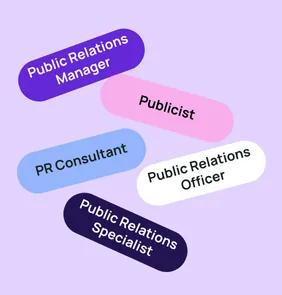
After a public relations course, graduates can move into a range of roles across the comms and media trades. Common jobs include working as a:
Graduates in public relations take on a wide mix of tasks that keep firms in touch with the people who matter to them. They may work in-house for one employer, or for a firm that serves many clients. Common duties include:
PR staff also need to keep up with new trends and tools in the trade. The media world moves fast, so ongoing learning is part of the job, not a rare extra.
Doing well in public relations takes a mix of sharp comms and clear thinking. Bosses in this field tend to look for people with:
Public relations in Australia opens up roles across firms, charities and government bodies alike. Grads find work in PR agencies, in-house comms teams and small consultancy firms. Demand for skilled comms staff keeps growing as firms put more weight on how well they guard their name.
A PR Manager in Australia earns between $85,000 and $100,000 on average, per SEEK career advice (2026). The rise of digital comms has also opened newer roles in social media work, content strategy and digital campaign runs. These roles suit grads who are at ease with tech and data.
Hands-on work through an internship or a volunteer role can lift your chance of landing a job a great deal. Staying active in trade networks, and keeping up with trends, also helps grads stand out when they start to apply.
PR specialists craft and manage public messaging for brands, businesses, and individuals. This includes media pitching, internal comms, government relations, and digital content strategies.
Yes. PR qualifications are valued globally. If you’re looking to work in government, multinational firms or global NGOs, a Bachelor or Diploma in PR is a versatile pathway.
While competitive, there’s strong demand for skilled professionals in sectors like tech, government, and healthcare. Strategic thinking and media savvy are major assets in this field.
All three. Many PR professionals work in agencies, media, or in-house at private firms. There are also roles in state and federal government departments, often listed on APS Jobs.
Graduates go into media liaison, digital PR, crisis communication, influencer marketing, internal communications, and strategic planning. Many courses allow you to specialise in these areas.