Accredited courses from leading Australian universities, TAFEs and colleges


Qualification Level
Accredited courses from leading Australian universities, TAFEs and colleges



Remedial massage blends clinical skill with hands-on therapy. It has become a key part of Australia’s health and wellness sector. According to Jobs and Skills Australia (2025), around 6,200 therapists work in this field. Most are employed in health care and allied health settings.
The profession attracts a skilled, largely female workforce. Its clinical focus sets it apart from general relaxation massage. Remedial massage therapists use techniques such as trigger point therapy and joint mobilisation. These treat soft tissue problems and support injury recovery. Many also work alongside physiotherapists and chiropractors as part of a client’s wider care team.
Study usually starts with a diploma-level qualification such as HLT52021. This gives graduates the clinical hours and skills they need for private practice. The role sits outside government registration, so ongoing training and association membership carry real weight. Both help build client trust and open the door to health fund rebates.
Demand for holistic, preventative health care keeps growing. Remedial massage offers a genuinely flexible career because of this trend. Many practitioners move from clinic roles into private practice or mobile therapy. Others specialise in areas like sports injury or chronic pain, building a career that fits their own strengths.
Remedial Massage workers may earn between $55000 and $110000 per year
According to SEEK Career Advice (2026), remedial massage therapists in Australia typically earn between $70,000 and $80,000 a year. Actual earnings vary with experience, location, and whether a therapist is employed or runs an independent practice.
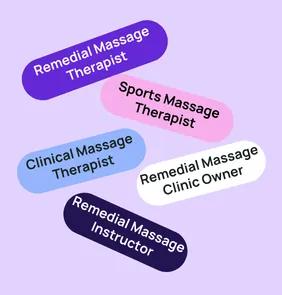
After completing remedial massage training, graduates can move into a range of health and wellness roles. Potential job titles include:
Remedial massage therapists work with clients to ease pain, improve movement and support recovery from injury. Their day-to-day tasks typically include:
Many therapists build strong, ongoing ties with clients. This can range from weekend athletes with niggling injuries to office workers with chronic tension. The work is physical and hands-on. So therapists also look after their own posture and strength to sustain a long career.
Plenty of graduates go on to build their own practice. That might mean a fixed clinic, a mobile service, or a mix of both. This flexibility is part of what makes remedial massage such an appealing, people-focused career.
Remedial massage suits people who enjoy working closely with clients and solving problems with their hands. To thrive in this field, it helps to have:
Job opportunities for remedial massage therapists are expanding as more Australians turn to allied health and preventative care. Graduates find work in health care clinics, wellness centres, day spas and fitness or sports settings, alongside allied health teams in hospitals and aged care.
Many remedial massage therapists also build their own private or mobile practice, offering the flexibility to set their own hours and client base. This path suits practitioners who want more control over how and where they work, once they have built clinical experience and a loyal client base.
The rise of workplace wellness programs and wellness tourism has created further demand for skilled therapists. This adds new settings to a career that already spans clinical, corporate and hospitality environments.
A remedial massage career rewards those who want to combine clinical skill with genuine, one-to-one client care. It’s a natural fit for people moving from allied health, sport or fitness backgrounds who want a hands-on, client-facing role with real flexibility.
Many practitioners pair their core remedial skills with complementary areas such as sports massage or myofascial work. This widens the services they can offer as their career develops.
Yes. Rising demand for holistic and preventative health services keeps remedial massage therapists in demand across private health, sports medicine and wellness settings.
Yes. Many qualified therapists start as sole traders and go on to open their own clinic. You will need insurance, an ABN and a recognised diploma-level qualification to get started.
Clients include people with sports injuries, chronic pain and postural problems, along with general muscle tension. Therapists often work alongside physiotherapists or chiropractors as part of a client’s wider treatment plan.
If you want clients to claim rebates, yes. To apply, you need to graduate from an approved course and join a recognised association such as ANTA.
Yes. It requires stamina, strength and good posture, since much of the work is hands-on. Training also covers self-care techniques to help avoid burnout and injury.