Accredited courses from leading Australian universities, TAFEs and colleges


Qualification Level
Accredited courses from leading Australian universities, TAFEs and colleges



Beauty therapy is a well-established, strongly female-led field in Australia’s personal services economy. Roughly 44,300 people work as beauty therapists nationwide, and women make up 98% of the workforce, based on the latest Jobs and Skills Australia data. Practitioners handle skin checks, facials, waxing, manicures and body treatments. Their work draws on solid training and real insight into what clients need.
Demand for personal care services keeps rising as more Australians spend time and money on self-care and grooming. Annual growth in this occupation sits at around 2,500 new workers, a solid pace for a specialised trade. About 53% of the workforce works part-time, which suits people who juggle study, family or a second job.
Base pay for beauty therapists is set under the Hair and Beauty Industry Award, currently around $27.81 an hour from July 2026. Many practitioners boost their pay through commissions, tips and extra skills in specialised treatments. As the sector grows more professional, skills that mix hands-on work with business sense keep gaining value.
Study paths usually start at certificate III level and build toward diploma qualifications for advanced technical and business skills. Flexible study formats, including part-time and blended modes, make it realistic to study while working or caring for family. Government-subsidised training is on offer in some states, and government-funded course options can lower the cost of getting qualified. For career-minded people, beauty therapy offers a practical, well-supported way into a growing service field.
Beauty Therapy workers may earn between $55000 and $100000 per year
According to Jobs and Skills Australia (2025), full-time beauty therapists earn median weekly earnings of $1,178, roughly $61,000 a year. SEEK’s 2026 career advice data puts the broader average salary between $75,000 and $80,000. This reflects higher pay for senior therapists, specialists and salon managers.
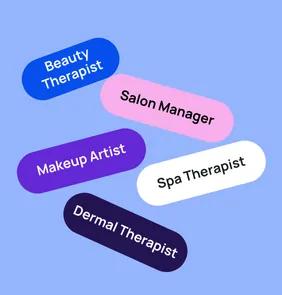
Beauty therapy graduates can step into a wide range of roles across salons, spas and wellness businesses. Typical job titles include:
Beauty therapy graduates take on a broad range of hands-on tasks that focus on client care and technical treatment skills. Typical day-to-day work includes:
Beyond technical skill, beauty therapists rely on strong interpersonal ability to understand what clients want and deliver treatments with genuine care. This mix of hands-on expertise and people skills is what makes the role rewarding for practitioners and valuable for the clients they serve.
Beauty therapists draw on a mix of technical ability and people skills to succeed in a hands-on, client-facing role. Strong candidates tend to combine steady hands with genuine warmth toward the people they treat. The qualities below set the best practitioners apart from the rest:
Building these skills takes time, but they form the foundation of a long and rewarding career in the beauty industry.
Job opportunities for beauty therapists are varied and keep growing, driven by steady demand for personal care and wellness services. Around 44,300 people already work in the role nationally. Jobs and Skills Australia expects ongoing growth of roughly 2,500 positions a year. Beauty therapists find work in beauty salons, spas and wellness centres, health clubs and gyms, cosmetic clinics, and retail stores that sell beauty products.
Median weekly earnings for beauty therapists sit around $1,178 for full-time work, based on the latest government figures. Many professionals top this up through commissions, tips and extra skills in specialised treatments.
A qualification in beauty therapy can be the base for a genuinely flexible, people-focused career, whether you’re just starting out or switching from another field. The FAQs below cover the practical questions people ask before they sign up.
Yes. A formal qualification can lead to senior roles in skin therapy, salon management or business ownership. Many graduates go on to specialise in high-demand areas such as dermal treatments or advanced skincare.
Look for a nationally recognised qualification that mixes hands-on training with solid theory. Strong student support, modern gear and industry placements all help build real career readiness at certificate or diploma level.
Some schools offer credit transfer toward business or health science degrees for diploma graduates. This pathway can open up broader roles in wellness management, health services or education.
Wellness, clean beauty and advanced skin treatments are all driving change in the sector. Skills in skin analysis and holistic care are gaining value, so keeping qualifications current matters for long-term career prospects.
Many schools offer part-time, blended or fully online beauty therapy courses to suit working people or those with family duties. Picking a course format that fits your life makes it easier to finish and start working sooner.