Accredited courses from leading Australian universities, TAFEs and colleges


Qualification Level
Accredited courses from leading Australian universities, TAFEs and colleges



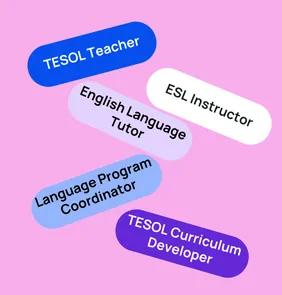
TESOL, short for Teaching English to Speakers of Other Languages, is a growing part of the education field. Teachers help people learn English when it is not their first language. They support learners at work, in study and in daily life, both here and abroad.
Most people start with a certificate IV in TESOL, listed on the national training register at training.gov.au. This is a national course that mixes class theory with real teaching time. Training bodies run the course all over Australia, and each one is checked against clear quality rules.
This setup means graduates start work with steady, real-world skills. Course length can vary by provider and study mode. Part-time and online study let people fit TESOL around a job or family life.
Interest in English teaching keeps growing. Australia is home to more people from other countries each year, and demand for English lessons is rising worldwide too. That trend gives graduates a real path into roles in language schools, community groups, workplace training and international education.
TESOL workers may earn between $55000 and $124000 per year
According to PayScale (2026), Australian ESL teachers earn an average hourly rate of about $51. Total annual pay typically ranges from $55,000 for those starting out to $124,000 for experienced practitioners. Full-time teachers in schools earn a median of around $123,000 a year, based on Jobs and Skills Australia (2025) data. Many TESOL-qualified teachers work part time across language colleges and community programs, so actual earnings vary widely.
Completing a certificate IV in TESOL opens up a genuine range of teaching roles across Australia and overseas. Graduates often go on to work as a:
TESOL teachers help people build real confidence in English. That could mean settling into a new community, meeting a study goal, or thriving in a new job. Here’s a look at what that work usually involves:
Many TESOL teachers also take on coordination or administrative work, from managing course timetables to supporting new teachers joining the team. Whatever the setting, from schools to community programs, this is genuinely rewarding work that helps people build a stronger future.
Doing well in TESOL takes a mix of language skill, cultural awareness and real people skills. The best teachers in this field tend to bring:
The job market for TESOL grads is healthy. There are steady openings across schools, language colleges, community groups and corporate training. Big, mixed cities in particular see strong, steady need for good English teachers.
Career paths reach past the classroom too. Roles like academic coordination, course design and program management are real next steps once you build some experience. Pay tends to rise as teachers move into these more senior jobs.
TESOL offers a real path for career changers and for teachers too. It opens up work that reaches well past the usual classroom. A certificate IV in TESOL builds skills in teaching, in culture and in lesson design. This gives grads real choice in where and how they work.
If you already work in schools, TESOL adds a useful, sought-after skill set. It can help you move into world-wide study, adult classes or higher-level English teaching. Often you won’t need to start your career again from scratch.
Growth in this space keeps on rising. Australia’s mixed population and steady world need for English skills both drive that growth. This gives grads real options for a long career in language teaching.
Yes. TESOL adds valuable credentials if you already work in education. It’s a natural step into ESL teaching, international education or academic English instruction.
Look for a course that matches recognised international frameworks, such as CELTA-style training or IELTS preparation. These credentials support teaching roles in schools and language institutions worldwide.
Yes. Many TESOL-trained teachers work in adult migrant programs, including those funded through the Adult Migrant English Program.
Yes. TESOL skills are valued in course development, language assessment and international student support. Some practitioners move on into research or program design work.
Yes. Accredited TESOL qualifications from Australian providers are widely accepted overseas, especially when paired with real teaching experience.