Accredited courses from leading Australian universities, TAFEs and colleges


Qualification Level
Accredited courses from leading Australian universities, TAFEs and colleges



Project management sits at the centre of how Australian organisations deliver their biggest work. A skilled project manager turns a plan into a real result. They do this by lining up budgets, timelines and teams across building sites, technology firms, banks and government offices. It is a career built on clear thinking and the discipline to keep many moving parts pointed at one goal.
Demand for skilled project managers keeps growing across Australia. Jobs and Skills Australia counts around 109,800 people working as construction and ICT project managers combined, most of them in their thirties and forties. The Australian Institute of Project Management reports that some sectors now have more open roles than trained people to fill them. That gap makes this a strong time to build the skills employers want.
A Certificate IV in project management practice is a solid first step for career changers and people early in their working life. Many later move up to a Diploma of Project Management, which builds deeper skills in planning, risk and leading a team. Once they have real project experience behind them, professionals often add PRINCE2, PMP or AgilePM certification. Where a course is government funded, StudySelect lists eligible options on its own government-funded courses page.
SEEK (2026) reports that project managers in Australia earn an average salary between $135,000 and $155,000, with senior roles paying well beyond that. Strong pay like this, paired with real demand, makes project management a smart path for anyone who wants a career that keeps moving forward. Take a look at our project management courses to find training that fits where you want to go.
Project Management workers may earn between $85000 and $185000 per year
According to SEEK (2026), project managers in Australia earn an average salary between $135,000 and $155,000. Entry-level project coordinators typically earn between $85,000 and $105,000, while senior program managers can earn well over $180,000.
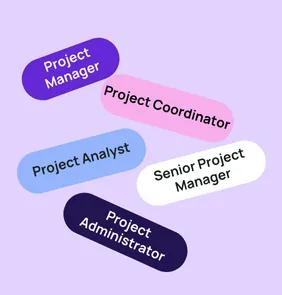
Once you finish a course in project management, you can move into roles that plan, run and deliver work across many fields. Some of the roles you could take on include working as a:
Project managers handle a wide range of tasks to keep work on track and within budget. Their day-to-day work often includes the following:
Project managers also work closely with other teams, such as finance and marketing, so everyone stays aligned on the same goals. On bigger jobs, they often manage contracts and work with outside suppliers too.
The role blends hands-on skill with steady leadership and a good head for business. It moves fast, and people who enjoy this kind of work tend to like variety. Many also enjoy seeing a project through, from the first plan to the final result.
To do well in project management, you need a mix of real skills and personal strengths. These help you manage people, budgets and deadlines all at once, often across several projects at a time. Key skills include:
Work for project managers stays strong right across Australia, with steady demand in construction, technology, health and government roles. As firms take on bigger and more complex work, they look for people who can lead a job well. That means guiding it from the first plan through to the final result.
You will find openings in professional services, public offices, banks, consulting firms and technology companies. Many graduates also move into roles close by, such as business analysis or project coordination, as they pick up more experience along the way.
SEEK (2026) reports that project managers in Australia earn an average yearly salary between $135,000 and $155,000. Project coordinators, a common entry point into the field, typically earn between $85,000 and $105,000, based on the same 2026 SEEK data. Senior program managers with a strong track record can earn well over $180,000. That mix of steady demand and real pay makes project management a genuinely strong path for graduates.
Project management is a career built for people who like to turn a plan into a real, working result. It spans building sites, tech firms, banks and government offices, so your options stay wide even before you pick a lane.
More Australian firms want skilled project managers every year, and the need is strongest where major infrastructure and digital projects meet. Jobs and Skills Australia counts around 109,800 people who work as construction or ICT project managers.
Formal study, from a Certificate IV right through to a Diploma, gives you a clear path toward the judgement that senior roles need. StudySelect lists government-funded places on its own government-funded courses page, and what you can claim depends on your state and your own situation.
Yes. Building, technology and professional services firms all want skilled project managers right now. Major government projects in transport and digital services keep adding to that need each year.
Agile suits work that moves step by step, and it is common on technology projects. PRINCE2 follows set steps and shows up often in government and infrastructure work. PMP is known around the world and suits managers who already have years on the job.
Yes. Many people move into this field from admin, engineering, IT or marketing roles. A formal qualification can help you make that shift and back up your new title with real skills.
Pay changes with your industry and years on the job. SEEK (2026) puts the average between $135,000 and $155,000, while new managers earn less and senior managers can earn well over $180,000.
Yes. You may be able to get subsidised training through Free TAFE or a state-based scheme. Check our own government-funded courses page to see what applies where you live.