Accredited courses from leading Australian universities, TAFEs and colleges


Qualification Level
Accredited courses from leading Australian universities, TAFEs and colleges



Property management sits at the practical end of Australia’s real estate sector. It covers the day-to-day running of residential, commercial and industrial properties. At heart, it’s a role built on relationships. Property managers balance the needs of owners and tenants while protecting the value of the asset itself. As rental markets tighten across the country, the profession is becoming more visible and more valued than ever.
Licensing sits with each state. Property managers must meet the rules set by their local consumer affairs or fair trading authority before they can start work. In New South Wales, for instance, agents and property managers work under a real estate agent licence or certificate of registration. This oversight has lifted standards across the sector. Owners can trust that their assets are handled by people who understand tenancy law and their obligations.
Technology has reshaped how the work gets done. Digital inspection tools, tenant portals and online rent payments have made day-to-day management faster and more accurate. Reporting tools also give property managers sharper insight into how their portfolios perform. For anyone building a long-term career, this mix of people skills and digital know-how is a genuine advantage.
Rental demand is rising across Australian cities and regions. That makes property management a forward-looking career path, with room to specialise, lead a team, or move into commercial and strata management as experience grows.
Property Management workers may earn between $55000 and $120000 per year
According to SEEK career advice data (2026), property managers in Australia typically earn between $75,000 and $90,000 a year. Pay rises to $95,000 to $115,000 for commercial property management roles. Entry-level pay tends to sit lower, often from around $55,000, while senior managers can earn $120,000 or more (SEEK career advice, 2026).
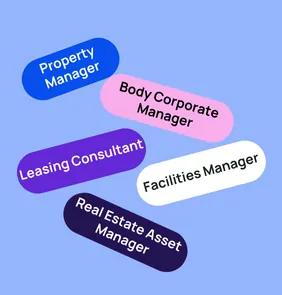
After finishing a property management course, most graduates move into a real estate job fairly fast. You will often look after homes, offices or other sites for an owner. Common starting roles include working as a:
Property managers keep Australia’s rental market running smoothly. They connect landlords with tenants and look after homes, offices and shops on the owner’s behalf. It is a hands-on job that blends people skills with a sharp eye for detail, and demand keeps growing as more Australians rent for longer. Jobs and Skills Australia says more than 39,200 people work as property managers nationally. Most work in the rental, hiring and real estate services sector (Jobs and Skills Australia, 2021 Census data).
Day to day, a property manager’s work can include:
Behind these tasks sits a real sense of responsibility. Property managers act as the trusted go-between for owners and tenants. They work to protect the value of the property while keeping people happy in their homes and workplaces.
To thrive in property management, you will need a mix of practical and people skills. You should be a strong communicator who can build trust with both landlords and tenants. You also need to stay organised, since you often juggle several properties and deadlines at once.
Property management offers steady jobs across Australia. You will find roles in real estate agencies, dedicated property firms and corporate real estate teams. Rental demand keeps growing in most cities, so employers want skilled property managers to take on bigger portfolios.
Career growth is a real feature of this field. Many people move from entry-level roles into senior jobs, and some go on to run their own agency. New digital tools are also creating fresh roles focused on data, reports and tenant apps. That gives you more ways to specialise as your career grows.
Experienced property managers can move into senior roles, start their own agency, or become a licensed agency owner. Study in leadership or compliance can help you get there faster.
Residential work covers homes and flats, while commercial covers offices, shops and factories. Commercial roles often need more legal and contract knowledge.
Yes. Many courses cover both areas, and a certificate IV-level course can support licensing for sales and leasing roles in homes and commercial sites alike.
Yes. Most courses sit under the national CPP Property Services Training Package, set through training.gov.au.
New tools are changing how leasing, checks and reports get done. Today’s property managers use cloud software, video checks and tenant apps to work faster and stay compliant.