Accredited courses from leading Australian universities, TAFEs and colleges


Qualification Level
Accredited courses from leading Australian universities, TAFEs and colleges



Hairdressing is one of Australia’s most established personal service trades. It remains a genuinely creative career for people who like working with their hands. Hairdressers cut, colour and style hair for clients of every age. Many also fit in scalp treatments and product advice, and quite a few eventually run their own small business.
Jobs and Skills Australia data puts the national hairdressing workforce at around 65,400. Women make up 76% of that number. Median weekly earnings sit at $1,209 for full-time work, and employment keeps growing steadily, adding about 500 new positions a year.
Training runs through the SHB Hairdressing and Beauty Services Training Package. Most people complete it via a paid apprenticeship, combining on-the-job salon work with structured study. This earn-while-you-learn model, set out on the national training register, is one reason the trade keeps attracting school leavers and career changers.
For those already working in a salon, a formal qualification can open doors to advanced colour techniques or session styling. It can also support a move into salon ownership. Many training providers now build flexible study modes around apprenticeship hours, so you are not stuck choosing between paid work and structured learning.
Explore hairdressing courses on StudySelect to compare training providers, study modes and course length.
Hairdressing workers may earn between $47000 and $90000 per year
Jobs and Skills Australia (2025) reports median full-time earnings of $1,209 a week for hairdressers, or roughly $62,900 a year before tax.
PayScale’s 2026 Australian data shows a wider hourly range, from about $22 to $33 an hour depending on experience and location.
Pay tends to rise with client base and specialisation, and salon owners or senior colour specialists can earn well above the industry median.
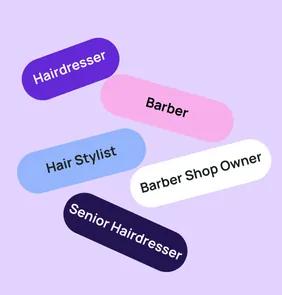
Once you complete a hairdressing qualification, plenty of roles open up across salons, studios and the wider beauty trade. Graduates often step straight into positions such as:
Hairdressers combine technical skill with genuine care for their clients, helping people look and feel their best at every visit.
Typical day-to-day tasks include:
Beyond technical ability, hairdressers rely on strong communication skills to understand what a client wants and to put nervous or new clients at ease. That mix of craft and people skills is what makes the role rewarding for those who enjoy both.
Hairdressing suits people who enjoy hands-on, creative work and genuinely like connecting with clients. Look for these strengths in yourself before committing to the trade:
Hairdressers find work across a wide range of settings, from independent salons and franchise chains to spas, hotels and mobile services. Some build a loyal client base as a freelancer, working from a home studio or travelling to clients directly.
Around 65,400 hairdressers work nationally, with steady annual growth in employment across the trade. Median full-time earnings sit at $1,209 a week, and there is clear scope to earn more as you gain experience.
Experienced hairdressers often move into salon management or apprentice training. Many eventually open their own business once they build a strong local reputation.
A hairdressing qualification can take your career well beyond the salon chair. Some graduates move into education, training the next generation of stylists. Others take on brand ambassador or product education roles with major haircare companies.
Session styling for fashion, film and media is another path worth considering. It suits people who enjoy working under pressure and love the creative side of the trade. These roles often build on strong salon experience combined with a sharp eye for current trends.
If you already work in a salon, completing a formal Certificate III can help you access management roles. It also helps you meet the compliance requirements for running your own business, and strengthens your standing with clients who value recognised qualifications.
For those weighing up business ownership, adding basic bookkeeping or small business skills pays off once you’re managing your own salon. Browse hairdressing courses on StudySelect to compare providers and see which pathway suits your next move.
Industry Bodies