Accredited courses from leading Australian universities, TAFEs and colleges


Qualification Level
Accredited courses from leading Australian universities, TAFEs and colleges



Retail trade employs 1.34 million Australians, the country’s second-largest job sector by workforce share (Jobs and Skills Australia, 2026). It spans supermarkets, department stores, fashion outlets and hardware retailers, along with the fast-growing online space. This gives professionals a broad set of sectors to build a career in. Supermarkets and grocery stores remain the largest single sector, employing over 321,000 people nationally.
The industry’s workforce is notably diverse. Women hold 55% of retail roles, the median age sits at 33, and about half of all staff work part-time. This flexibility has made retail an accessible entry point into paid work. It still offers a genuine path into leadership for those who want it.
Career progression in retail increasingly rewards formal study. A Certificate IV in Leadership and Management builds the people-management skills needed to run a team. Diploma-level study, in turn, supports a move into multi-site or regional management. Median weekly earnings across the sector sit around $1,300 (Jobs and Skills Australia, 2026), and retail managers typically earn more once experience is factored in.
Digital change is reshaping the sector at pace, from online ordering to data-led merchandising. Retailers now need staff who blend customer service instincts with comfort using technology. This is opening new specialist roles alongside the traditional store-based career path.
Retail workers may earn between $55000 and $92000 per year
According to Jobs and Skills Australia (2026), median weekly earnings across the retail trade industry sit around $1,300, equivalent to roughly $67,600 a year. Entry-level pay starts at the Retail Award minimum of $27.81 an hour for a Level 1 employee, while retail managers typically earn between $58,000 and $92,000 a year depending on store size and experience (Glassdoor, 2026).
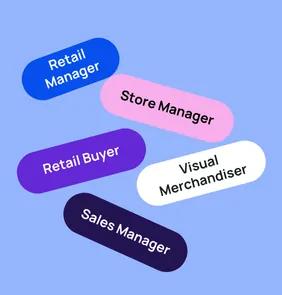
Retail experience opens doors across a wide range of roles, from customer-facing sales positions to store leadership and operations management. It also builds skills that carry well into other industries. Common next steps for people building a retail career include working as a:
People working in retail help customers find what they need and keep stores running smoothly, often juggling several tasks within the same shift. Much of the role centres on direct customer contact, and the tasks below make up a typical day.
As people move into store or area management, the role shifts toward overseeing operations, setting budgets and leading a team. These skills transfer well, and many staff carry them successfully into hospitality, logistics or other customer-facing industries.
Success in retail depends on a mix of people skills and practical know-how, since the role rarely stands still for long. Confidence with customers matters most, along with the patience to handle a busy shift without losing your composure.
Retail offers steady demand for skilled workers, from entry-level sales assistant and checkout roles through to store, area and regional management. With 1.34 million people employed nationally, the sector remains one of the most reliable sources of work in the country (Jobs and Skills Australia, 2026).
Growth in online shopping is creating new specialist roles, including digital marketing, online store management and customer experience work. Professionals can now build a career across physical stores, online platforms, or a mix of both. This gives retail a genuinely versatile career path.
Retail is set to remain a key employer in coming years, with steady demand for customer-facing roles and management positions alike. This ongoing need shows why formal training matters for anyone building a long-term career in the sector.
For people already working in retail, the next career step often comes down to formal recognition of the skills built on the floor. A Diploma of Leadership and Management is a common path into area or regional management. It covers budgeting, workforce planning and strategic choices.
University study also suits those aiming at head-office or corporate retail roles. A business-related degree can support a move into buying, marketing or supply chain work, particularly for larger retail groups and franchise networks.
Digital change is reshaping career options across the sector. Data skills, online store management and customer experience are increasingly valued. People who can bridge in-store work with online retail are well placed for senior roles as the industry keeps changing.