Accredited courses from leading Australian universities, TAFEs and colleges


Qualification Level
Accredited courses from leading Australian universities, TAFEs and colleges

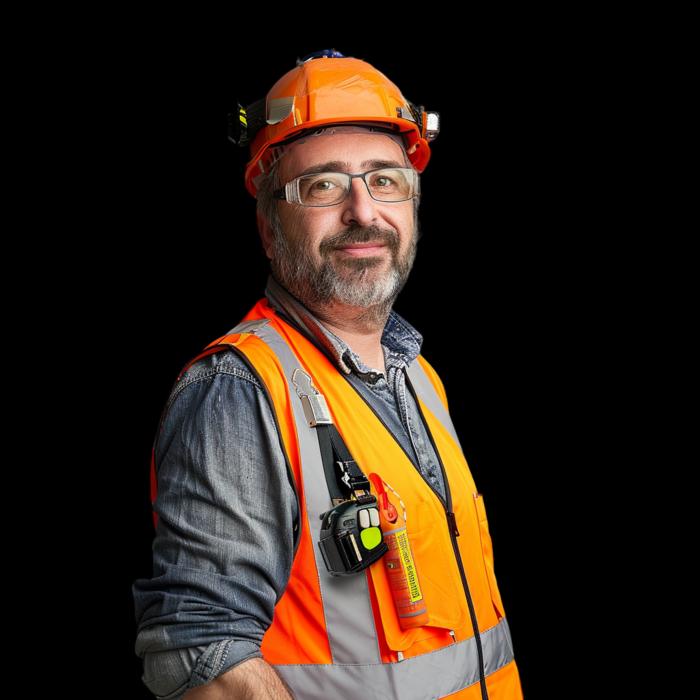

Australia’s building and construction industry employs more than 1.37 million people. That makes it one of the country’s largest and most resilient sectors (Jobs and Skills Australia, 2026). It spans residential, commercial and civil work. The sector keeps evolving as digital tools such as Building Information Modelling reshape how projects are planned and delivered.
For professionals considering a career change or a step up, construction offers genuine breadth. Site supervisors, estimators and project managers each play a part in bringing a build from concept to completion. The sector rewards people who combine technical knowledge with strong organisational skills. Growth in housing and infrastructure investment continues to support demand for experienced staff at every level.
Safety and compliance are non-negotiable. Regulators such as the Fair Work Ombudsman and state building authorities set clear standards for workplace conduct. These standards cover contracts and site practice too. Employers increasingly look for candidates who understand this framework alongside their technical skills.
Australia keeps investing in housing and infrastructure, so the outlook for skilled professionals remains strong. A Certificate IV or a Diploma of Building and Construction Management is a practical way to upskill. It can move you from hands-on trade work into supervision or project leadership.
Building and Construction workers may earn between $55000 and $195000 per year
According to PayScale (2026), the average base salary across Australia’s construction industry sits around $90,000 a year. Entry-level trades and labouring roles typically start closer to $55,000 to $60,000. Experienced construction managers running major projects can earn $175,000 to $195,000 or more, based on SEEK’s 2026 career advice data.
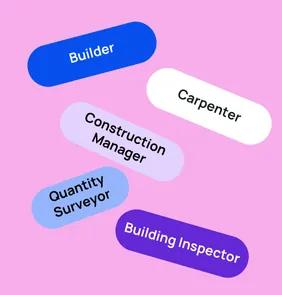
Graduates who finish a course in building and construction can step into site jobs, project roles or compliance work across residential, commercial and civil projects. Common job titles include:
People in building and construction take on many roles that bring a project from plan to finished build. Project managers sit at the centre of that process, handling schedules and budgets. They also link up clients, contractors and regulators through the life of a project.
Others focus on safety and compliance, running site inspections and managing safety rules. Their job is to check that work meets the National Construction Code and keeps everyone on site safe.
Common day-to-day tasks include:
Success in building and construction takes a mix of practical skill and good judgement, built up through hands-on experience over time. Key strengths include:
Building and construction offers jobs across a wide range of settings. Ongoing infrastructure projects and steady housing demand keep the need for skilled workers high. Roles range from on-site jobs, such as construction workers and site managers, to office-based roles like project managers and estimators.
Industry data points to continued growth over the coming years. Government spending on infrastructure and housing is the main driver (Jobs and Skills Australia, 2026). That growth means more job openings and better prospects for career growth, especially for people who keep building their skills through further training.
Demand for skilled workers should stay high, which makes construction a promising field for job seekers. Ongoing government support for housing and infrastructure keeps that trend strong across the country.
For professionals already working in construction, a diploma or advanced certificate offers a clear route into leadership. Site managers, senior contractors and project leads all draw on the same core skills. These include budgeting, contracts and compliance, built on top of trade experience.
Growth in this sector is focused on infrastructure, housing and green building. Roles in site leadership and modular construction should grow over the next five to ten years. This is especially true in cities and regional growth areas. Employers want people who pair technical know-how with real project leadership skills.
Flexible study options make this move realistic alongside full-time work. Many providers offer blended delivery, so you can finish theory units online. Practical sessions still happen in person, which suits people juggling study with work and family life.
Graduates may move into site management, senior contracting or business ownership. The diploma builds skills in budgeting, contracts and compliance, which are central to career growth in Australia’s infrastructure sector.
Yes. Qualified tradespeople looking to take the next step can upskill with a Diploma of Building and Construction Management. It builds the leadership and project skills you need to move into management.
Infrastructure, housing and green building are strong growth drivers. Roles in site leadership and modular construction should grow over the next five to ten years, especially in cities and regional growth areas.
Some construction diplomas offer credit towards degrees in construction management, civil engineering or property. Check with your provider to see if an articulation deal is available for your course.
Online or blended learning gives working professionals more flexibility. Practical assessments still need to happen in person, but many theory units can be finished remotely. That makes it easier to balance study with work and life.