Accredited courses from leading Australian universities, TAFEs and colleges


Qualification Level
Accredited courses from leading Australian universities, TAFEs and colleges



Work health and safety (WHS) sits at the centre of how Australian workplaces look after their people. The Safe Work Australia Act 2008 set up a national regulator. Since then, the sector has worked to line up safety laws across every state and territory. This has made the rules simpler for employers to follow, and it has lifted safety outcomes nationwide.
WHS staff now manage stress, fatigue and workplace bullying, not just falls and machine hazards. This wider job description brings WHS closer to human resources and staff wellbeing work. It gives WHS specialists a real seat at the planning table, and employers value people who understand both compliance and culture.
Study options range from the Certificate IV in Work Health and Safety to the Diploma of Work Health and Safety. The certificate suits entry-level safety officer roles, while the diploma trains you to run systems and lead teams. Both sit on training.gov.au, the national register, so employers trust the result no matter which state you studied in. Many providers offer flexible or online study, so you can train while you keep working.
Demand for skilled safety staff keeps growing as workplaces spend more on compliance and staff wellbeing. It’s a solid path for anyone who wants steady work and real room to grow.
Work Health and Safety workers may earn between $59000 and $145000 per year
According to PayScale data (2026), the average salary for a Safety Officer in Australia is $77,667 a year. Pay ranges from around $59,000 for those just starting out to $119,000 for experienced professionals.
SEEK career advice data (2026) shows Work Health and Safety Managers can earn between $125,000 and $145,000. That reflects the added responsibility that comes with senior safety leadership roles.
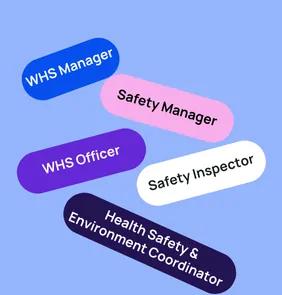
Finishing a WHS qualification opens the door to roles focused on protecting people at work. Graduates often move into jobs like these:
People working in work health and safety help keep others safe on the job, day in and day out. Typical responsibilities include:
Altogether, these tasks help build safer workplaces and reduce the risk of injury and illness for everyone.
Success in work health and safety comes down to a mix of technical know-how and people skills. The strongest candidates tend to have:
The job market for work health and safety staff stays strong, with steady demand across construction, healthcare and manufacturing. According to SEEK career advice data (2026), WHS Officers earn between $90,000 and $110,000 a year. Senior WHS Managers can reach $125,000 to $145,000 as they take on more responsibility.
Demand keeps growing as organisations spend more on compliance, risk management and staff wellbeing programs. Graduates can move into public or private sector roles. Many employers actively seek people who understand both safety law and workplace culture.
Already work in WHS, or ready for a more senior role? There’s a clear path ahead for people who want to lead. Beyond entry-level certificates, a diploma or postgraduate course builds real leadership skills. It prepares you to run safety strategy across a whole organisation, not just a single site.
WHS training gives leaders practical tools to meet their legal duties under state and territory safety laws. It cuts liability and helps build a genuine safety culture across the whole organisation, not just one department.
Yes. The Diploma of Work Health and Safety suits people managing safety systems, running audits and leading WHS teams across a business.
Absolutely. HR roles increasingly cover safety coordination, return-to-work programs and compliance checks, all skills taught in a good WHS course.
Yes. Employers stay responsible for safety even when staff work remotely from home. Rules on ergonomics, mental health and emergency planning now reach home-based work too.
Yes. National WHS courses line up with the frameworks used by regulators in every state and territory, so your qualification is recognised wherever you work.