Accredited courses from leading Australian universities, TAFEs and colleges


Qualification Level
Accredited courses from leading Australian universities, TAFEs and colleges



Digital media in Australia brings together content creation, distribution and audience engagement across social platforms, streaming services and digital advertising. It shapes how people access news, entertainment and brand messaging. Its reach keeps expanding as more daily life moves online, and for professionals, that growth translates into a genuinely broad range of career options.
Streaming platforms have reset viewing habits. In doing so, they have boosted demand for local production talent who can plan, shoot and edit content quickly. This shift has strengthened Australian storytelling while opening roles in production, editing and platform management that did not exist a decade ago. Skilled operators who understand both the creative and technical sides of a project tend to progress fastest.
The sector also rewards people who can translate data into decisions. Digital marketers, analysts and content strategists work alongside creatives to track what audiences respond to. They then refine campaigns and content plans accordingly. That blend of creative output and measurable results is now central to almost every digital media role.
Because the field moves quickly, most employers value applied, current skills over years of tenure alone. Structured study gives you a fast way to build a portfolio. Whether through a short course, diploma or degree, it helps you demonstrate the tools and platforms employers use right now.
Digital Media workers may earn between $55000 and $115000 per year
PayScale (2025) puts the average salary for a digital media specialist in Australia at $72,445. SEEK career advice data (2026) shows related roles ranging widely. Social media coordinators earn between $70,000 and $80,000. Digital marketing specialists earn between $80,000 and $95,000. Entry-level digital media roles typically start around $55,000, rising above $115,000 for senior specialists and managers.
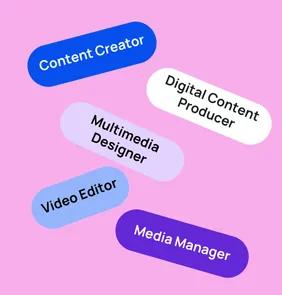
Graduates of digital media courses move into a wide range of creative and technical roles, often shaped by the specific skills they build during study. Common outcomes include working as a:
People who work in digital media make, manage and share content across the platforms Australians use every day. Their work mixes creative tasks with strategy. It can move between design, video, writing and data, depending on the role and the team.
Common responsibilities include:
Many people also lead a project or a team as they gain experience. This can mean setting creative briefs, managing budgets and making sure content meets brand and platform rules. Whatever the role, digital media careers suit people who enjoy new tools and can adapt fast to how audiences act online.
Digital media suits people who enjoy mixing creative work with clear results. To do well in the field, it helps to bring:
Digital media offers work at traditional broadcasters and publishers, digital-first media firms, ad agencies and in-house brand teams. Streaming and social platforms have also lifted demand for content creators and social media managers. Digital marketers who can work directly with audiences are in demand too.
Growth in the sector tracks how much businesses spend on digital content and tech-driven marketing. That spend keeps rising year on year. This trend gives graduates a wide entry point into the workforce, whether they start at a large media firm or a small, specialist agency.
Digital media blends creative work and business strategy. It covers content design, video, UX and digital marketing. For those looking to move up, it offers many paths, from hands-on production roles to senior, strategic roles.
Employers across entertainment, tech, health, government and the arts now need people who can run a brand’s digital presence from start to finish. That means a digital media, design or creative degree can open doors across almost any sector.
Higher study in media innovation, digital storytelling or UX strategy suits those aiming for senior or expert roles. This holds true where a first degree already covers the basics. For those aiming at management, a mix of content strategy and audience data skills pays off.
Digital skills travel well across borders. A portfolio built in Australia often carries just as much weight overseas. This is most true where it shows strength in UX, video work or Adobe tools.
A bachelor degree in digital media, design or creative industries is a strong start. Higher study in media innovation, digital storytelling or UX strategy can help you move up.
Digital media shapes brand identity, customer experience, public reach and learning. People in this field work across entertainment, tech, health, government and the arts.
Digital media is about making content, such as video, graphics, animation and user design. Digital marketing is about strategy, SEO, data and promotion. The two fields overlap, but each needs its own set of skills.
Yes. More global brands and creative agencies hire for digital-first skills each year. A portfolio built in an Australian course often carries weight abroad too, most of all with Adobe, UX or video skills.
The federal Department of Infrastructure, Transport, Regional Development, Communications and the Arts publishes the latest on digital media policy and funding for new ideas.