Accredited courses from leading Australian universities, TAFEs and colleges


Qualification Level
Accredited courses from leading Australian universities, TAFEs and colleges


Australia’s screen and photography scene keeps growing. Local drama production spend reached $2.7 billion in 2024-25, a rise of 43% on the year before, according to Screen Australia. That growth is driving demand for skilled photographers and film crews across the country.
Formal study gives newcomers a clear way into the field. Courses such as a diploma in photography and photo imaging or a diploma in screen and media cover lighting, camera technique and editing software. Both also teach the business skills needed to freelance or work inside a studio. Many courses can be studied part-time or online to suit people already working.
Career paths branch out fast once you’re qualified. Some graduates focus on commercial or fashion photography, while others move into documentary or narrative film work. Many build a mixed career covering both stills and video for brands and agencies. Industry groups support this pipeline by connecting new talent with mentors and contacts.
If cost is a concern, check your eligibility for a government-funded course before enrolling. Streaming platforms keep expanding the market for local content, which means the pathways into this industry stay wide open for people starting from scratch.
Photography and Film workers may earn between $55000 and $120000 per year
Pay in this field varies by role and experience level. Jobs and Skills Australia reported median full-time weekly earnings of $1,840 for photographers in 2025. SEEK’s 2026 career data placed videographer salaries between $85,000 and $95,000 a year. Freelancers working across both photography and film often earn more once they build a strong client base.
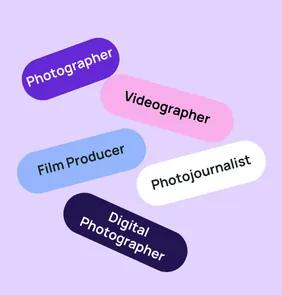
After a course in photography or film, most people move into new roles. Common paths include work as a:
People in photography and film help shape how Australians see stories, products and culture. Many work as photographers, covering everything from weddings and portraits to commercial and fashion shoots. Others move into film and video, making documentaries, ads or narrative features.
Many people in this field also work in marketing. They help promote finished projects to audiences. Others work behind the scenes at festivals, helping showcase local talent. Some build their own independent projects, telling personal stories or exploring social issues that matter to them.
Specialist roles in sound design, visual effects and production design let people focus on one craft as their career grows. Teamwork sits at the centre of almost everything in this field. Most projects rely on strong collaboration between photographers, crew and other creative professionals.
To do well in photography or film, a few core skills help:
Australia’s photography and film sector offers a wide range of jobs. Streaming platforms and independent films have grown demand for skilled crews in production, editing and camera work. Screen Australia’s latest report recorded $2.7 billion in local drama spend for 2024-25, a rise of 43% on the year before. That points to a strong pipeline of local work.
Film festivals and industry events give new photographers and filmmakers a chance to show their work. These events often lead to strong networking and job leads. Government and industry funding bodies keep backing new productions, which helps create more roles for graduates.
New tech and platforms keep reshaping the industry. People with a broad skill set and real enthusiasm for storytelling will keep finding work. Australia’s screen and photography scene has plenty of room to grow into.
Yes, more than ever. Platforms like YouTube, Instagram and TikTok have boosted demand for skilled visual creators. Brand storytelling, short-form video and commercial media are all growing fast.
Courses often cover Adobe tools such as Photoshop, Lightroom and Premiere Pro. You’ll also learn lighting setups, editing workflows and camera operation.
Many courses cover both. You can specialise later based on your interest, such as fashion photography or documentary filmmaking. Some roles reward a mix of both skill sets.
Formal courses speed up your learning and offer structured guidance. They also open doors to internships and industry contacts. Self-taught creators can thrive too, but training and mentorship often help you grow faster.
Yes. Diploma-level study may count towards a bachelor’s degree in screen and media, creative arts or communication. Always check pathway options with your chosen provider first.