Accredited courses from leading Australian universities, TAFEs and colleges

Artificial Intelligence AI Courses



About Artificial Intelligence AI
Artificial intelligence is one of the most closely watched parts of the Australian technology sector. Tools that once sounded futuristic, like automated fraud detection and predictive maintenance, are now standard in banking, healthcare, and manufacturing. That growth is reshaping the kind of talent employers want.
AI is not really its own separate field. Instead, AI work tends to sit inside broader technology, data, and software teams. Professionals usually build a solid base in programming and data analysis first. They then add specialised skills in machine learning, natural language processing, or computer vision.
Universities and training providers registered on training.gov.au have expanded their AI offerings to match. A Diploma of Information Technology gives you a technical base to build on. Postgraduate options such as a Master of Artificial Intelligence let career changers and IT professionals move into specialist roles.
Flexible study modes have made these pathways easier to reach. Many AI and data science units are taught online, with practical projects that mirror real workplace tasks.
Explore AI and technology courses on StudySelect to find a study path that suits where you are starting from.
Average Salaries
Artificial Intelligence AI workers may earn between $80000 and $200000 per year
PayScale’s 2026 Australian salary data puts average base pay for artificial intelligence skills at around $113,000 a year.
Entry-level machine learning and data roles generally start closer to $80,000, based on recent Australian salary research. Senior specialists, such as deep learning engineers, can earn upward of $200,000 once they build experience and take on more advanced or leadership work.
Jobs and Skills Australia notes that AI-related skills stay concentrated in technical, data-focused roles. That helps explain the wide pay range across the field.
Career Outcomes
Graduates with AI skills tend to move into a range of technology and data-focused roles rather than a single fixed job title. Some join software teams to build AI features into products, while others focus purely on the data and modelling side.
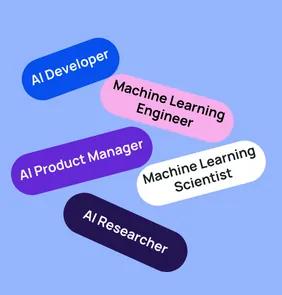
Common roles you might work toward include:













What do Artificial Intelligence AI graduates do?
People working in artificial intelligence spend much of their time turning data into tools that help systems learn, predict, and make decisions. They build and train machine learning models and test how well those models perform. Then they refine the models so they work reliably once they go live.
Day-to-day tasks often include:
- Building and training machine learning models
- Cleaning and analysing large datasets
- Testing models for accuracy and fairness
- Working with software teams to add AI features into existing products
- Documenting how a model works and where its limits are
- Monitoring AI systems once they are live
Many people in this field specialise further, focusing on areas like computer vision, natural language processing, or robotics. Most work alongside broader technology and data teams. They contribute to projects in healthcare, finance, logistics, and other sectors that are bringing AI into their operations.
Is Artificial Intelligence AI right for you?
Artificial intelligence suits people who like solving problems step by step and do not mind working with numbers and data. The field moves fast, so curiosity and a will to keep learning matter as much as any one skill.
- Sharp, logical thinking
- Comfort with code, such as Python
- A good grasp of maths and data
- Patience for testing and fixing models
- Clear talk with non-tech colleagues
- Ease with new tools and change
- An eye for detail and errors
- A sense of right and wrong in tech
- Skill at working in a team
- A drive to keep learning new things
Job opportunities
Demand for AI-related skills keeps growing across Australian technology, finance, healthcare, and logistics businesses. AI skills are not tied to one job title. They open doors to roles such as machine learning engineer, data scientist, AI product specialist, and automation consultant.
Most of these roles sit within existing technology or data teams. Graduates often start in a broader IT or analytics job before moving into AI-specific work as they gain experience. Larger employers, particularly in banking and government, have also built dedicated AI and data science teams.
More businesses are adopting AI tools to support decisions and automate routine work. That trend should keep opportunities growing, both at established tech firms and at traditional industries bringing AI in-house.
Frequently Asked Questions
If you already hold an IT or science degree, artificial intelligence can be a smart next step. AI study at this level goes deeper into maths, coding logic, and research methods than an entry-level IT course. It suits people who want to move into research, development, or a specialist tech role.
AI is also changing existing IT and data jobs. It takes over routine tasks and pushes many roles toward higher-value analysis and decisions. Knowing how to use these tools is now a real edge across tech work, not just within AI teams.
Study options at this level include graduate certificates, graduate diplomas, and master’s degrees in artificial intelligence, machine learning, and data science. These suit IT staff or career changers who already have a tech base and want a more senior, higher-impact role.
FAQs
Why study artificial intelligence at a university level?
University-level AI study goes deep into theory, algorithms, data modelling, and research methods that shorter courses skip. It suits people who want a role in research, development, or tech leadership, not just general IT support.
How is AI impacting the future of work in Australia?
AI is taking over routine tasks, helping teams make faster calls, and opening new specialist roles across tech and business. The Digital Technologies Hub tracks this shift as part of Australia’s wider digital skills push in schools and further education.
What postgraduate options are available in AI?
Postgraduate study includes graduate certificates, graduate diplomas, and master’s degrees in artificial intelligence, machine learning, and data science. These suit IT staff or career changers who already hold a tech qualification and want to go deeper.
What’s the earning potential for AI professionals?
Pay for AI and machine learning specialists in Australia varies with experience and focus area. Senior and consulting roles often pay well above the average, and recent salary data shows a clear premium for advanced tech skills.


