Accredited courses from leading Australian universities, TAFEs and colleges


Qualification Level
Accredited courses from leading Australian universities, TAFEs and colleges

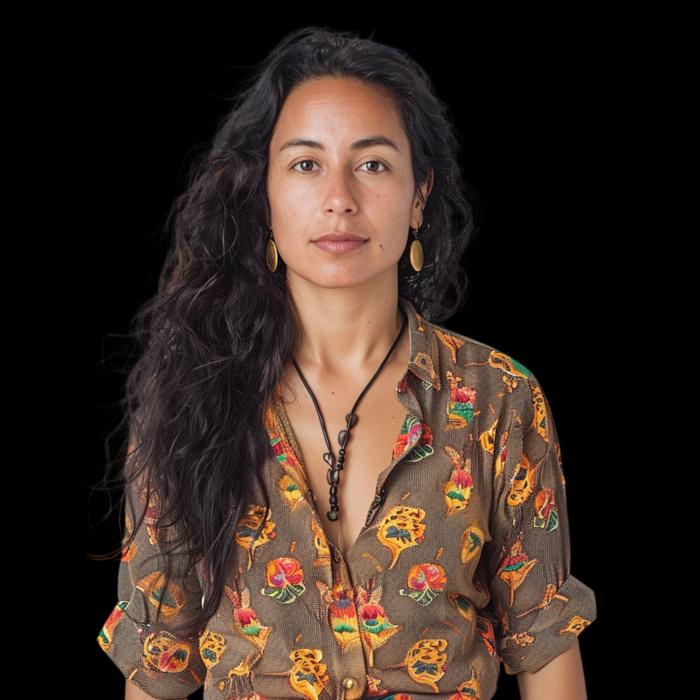

Fashion design blends creative vision with technical craft. It covers the design, development and production of clothing, footwear and accessories. It suits people who want their ideas to move from a sketch to something worn on the street.
Jobs and Skills Australia data shows around 3,700 people work as fashion designers nationally. Women hold 86% of these roles, and the median age is 37. Around a third work part time, which reflects the project-based, often freelance nature of the work.
The day-to-day work covers far more than sketching. Designers research trends and materials, then negotiate design solutions with manufacturers and sales teams. They also oversee production to keep quality consistent with the original concept. Employers value this mix of creative and commercial skill highly.
Sustainability and digital tools are reshaping the profession. The Australian Fashion Council says the sector contributes roughly $27 billion to the Australian economy each year. It increasingly rewards designers who understand ethical sourcing and circular design. A course such as the Diploma of Branded Fashion Design builds those pattern-making and brand-development skills.
Fashion Design workers may earn between $55000 and $116000 per year
According to PayScale (2026), Australian fashion designers earn an average base salary of around $74,000 a year. Pay typically ranges from about $55,000 for those starting out to $91,000 for experienced designers. Total pay including bonuses can reach around $116,000 for senior roles.
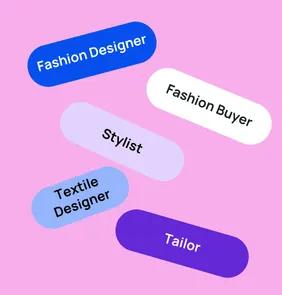
Completing a fashion design course opens up a genuine range of career paths across the industry, not just design itself. Graduates often go on to work as a:
Fashion designers turn an idea for clothing or an accessory into a finished product. They move step by step from a rough concept to something ready to wear. Along the way, their work usually includes:
Many designers also promote their own work. They attend industry events to build a reputation, and they form relationships with buyers and stockists along the way. Over time, this steady networking helps grow a loyal base of clients and collaborators.
Thriving in fashion design takes a blend of creative flair and practical discipline. Designers who do well in this field tend to bring:
The job market for fashion designers spans retail, manufacturing and independent freelance work. This gives graduates several ways to build a career. National employment sits at around 3,700 fashion designers, and the workforce is strongly female with a median age of 37.
Sustainable and ethical fashion is a growing driver of jobs and investment in the sector. Graduates can find roles in established fashion houses, launch their own label, or work as freelancers with several clients. Pay varies with experience and specialisation. Designers who build a recognised name can earn strong money over time.
Studying fashion design opens the door to a career built around creativity, craft and genuine self-expression. Graduates go on to design for established labels, launch their own brand, or specialise in styling or merchandising.
Most students begin with a certificate or diploma-level qualification. This builds skills in pattern making, garment construction and digital design software before students decide whether to progress to degree-level study. A strong majority of the field, around 86%, is female, and the median age nationally is 37.
Sustainability is becoming central to modern fashion education. More courses now cover ethical sourcing and circular design alongside traditional craft skills. The questions below cover common queries about study options and where a fashion design career can lead.
A Bachelor of Branded Fashion Design offers a broad foundation in textile knowledge, creative design and digital tools. Many programs also include industry placements.
Yes. Australian fashion training is well regarded globally. Graduates often go on to work with international brands or launch their own labels overseas.
Sustainability, ethical sourcing and digital design tools are reshaping the industry. Designers who build skills in these areas are well placed to lead as the sector evolves.
Many courses now offer electives in entrepreneurship, ecommerce or fashion marketing. This suits anyone planning to start their own label or move into brand strategy.
Beyond sketching, today’s designers need digital skills in tools such as CLO3D and Adobe Illustrator. Most current courses combine creative and technical training.