Accredited courses from leading Australian universities, TAFEs and colleges

Nail Technician Courses



About Nail Technician
Nail technology is one of the more creative corners of Australia’s beauty trade. It mixes hands-on skill with real art, and clients notice the work of a skilled technician. Nail techs do manicures, pedicures and nail enhancements, and many build a name for their nail art.
Beauty therapists, the wider group that nail techs sit under, number around 44,300 people across Australia. That group adds close to 2,500 new jobs each year. Full-time pay sits near $1,178 a week for the group as a whole. Pay for nail techs still shifts a lot by city, salon and client base.
Most people train through a Certificate III-level course in nail technology, run under the Hairdressing and Beauty Services Training Package. It covers manicure work, gel and acrylic sets, nail art and clean salon practice. Graduates leave ready for a salon, a spa, or their own small business.
Australia has no rule that says you need a licence to work as a nail tech. Even so, real training still counts for a lot. It builds trust with clients, and most salon insurers ask for proof of a course. Many nail techs later pick a niche, go mobile, or open their own studio once they have a loyal client base.
Average Salaries
Nail Technician workers may earn between $47000 and $85000 per year
Jobs and Skills Australia (2025) reports median full-time earnings of $1,178 a week for beauty therapists, the group that includes nail technicians. That’s roughly $61,300 a year before tax.
PayScale’s 2026 Australian data shows nail technician hourly pay from about $19 to $29. Entry-level technicians sit at the lower end, experienced specialists towards the top.
Self-employed and mobile nail technicians can earn more once they build a steady client base. Income for that group varies more widely than for salaried salon staff.
Career Outcomes
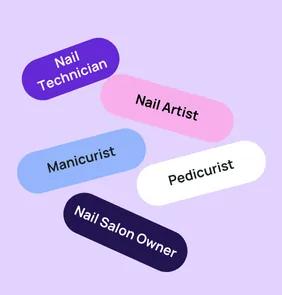
After completing a nail technology course, graduates find work across salons, spas and increasingly through their own mobile or home-based business. Roles they may take on after graduating include working as a:













What do Nail Technician graduates do?
Nail technicians combine technical skill with real creativity. They help clients look after their hands and feet, while expressing personal style through nail design. Typical day-to-day tasks include:
- Providing manicures and pedicures, including nail shaping, cuticle care and polish application
- Applying nail enhancements such as acrylics, gels and dip powder systems
- Creating custom nail art designs based on client preferences and current trends
- Maintaining a clean, sanitised workspace to keep every client safe
- Consulting with clients about their needs and recommending suitable services
- Staying current with new techniques, products and nail care trends
- Advising clients on caring for their nails between appointments
- Managing appointment bookings and keeping accurate client records
- Recommending additional treatments or take-home products where relevant
- Working alongside other beauty professionals to offer a fuller range of services
Beyond the technical work, nail technicians rely on genuine communication skills to build rapport. Many spend long stretches seated and working with fine detail, so patience and steady focus matter just as much as artistic flair.
Is Nail Technician right for you?
Nail technology suits people who enjoy detailed, hands-on work and genuinely like connecting with clients. Look for these strengths before committing to the field:
- Steady hands and strong attention to detail
- A creative eye for colour, pattern and nail art design
- Clear, friendly communication with clients
- A genuine customer service focus
- Solid knowledge of nail products and application techniques
- Comfort working in a fast-paced salon environment
- Good time management across back-to-back appointments
- Commitment to hygiene and infection control standards
- Willingness to keep learning new techniques and trends
- Physical stamina for tasks that involve sitting or standing for long stretches
Job opportunities
Nail technicians find work in salons, day spas, resorts and mobile services across Australia. The wider beauty therapy occupation employs around 44,300 people nationally. It adds roughly 2,500 new positions each year, and nail specialists share in that growth.
As the beauty sector expands, jobs for nail technicians turn up in both cities and regional towns. Salons and spas keep hiring qualified staff to meet rising client demand. Many with an entrepreneurial streak build their own base through mobile work or a home studio.
Frequently Asked Questions
A nail technology qualification can take your career well beyond the salon chair. Some graduates move into product education or training roles with nail and beauty brands. Others specialise heavily in competition-level nail art, building a reputation that draws clients from further afield.
Mobile and freelance work is another strong option for people who want more control over their schedule. It suits technicians who’ve already built solid salon experience and want to run things their own way, from pricing to client selection.
If you’re already working in a salon, a formal Certificate III-level qualification can strengthen your standing with clients. It also helps you meet the requirements most salon insurers expect, and can open the door to supervisory roles within a larger salon group.
For those considering business ownership, pairing your technical training with basic bookkeeping skills pays off quickly. Explore nail technician courses on StudySelect to compare providers and see which pathway suits your next move.


