Accredited courses from leading Australian universities, TAFEs and colleges


How to Become a Medical Photographer in Australia: careers in Health

Definition of a Medical Photographer
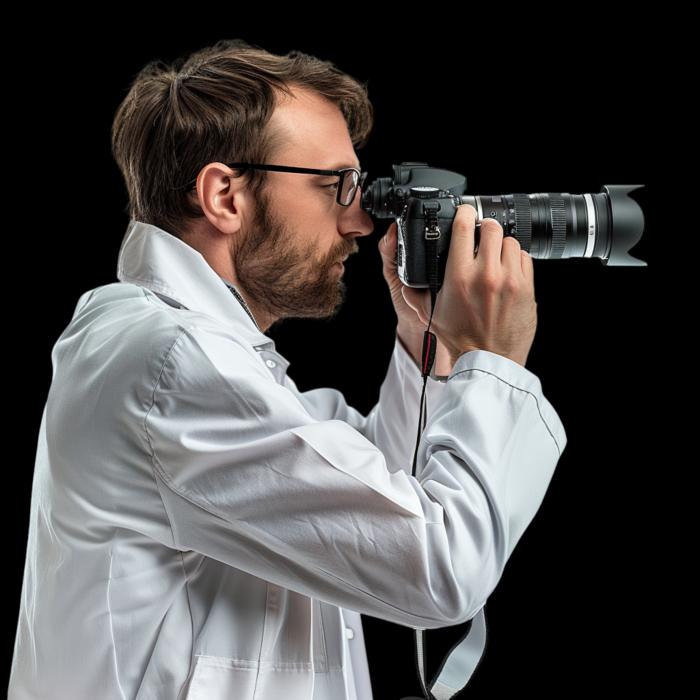
A medical photographer is a health imaging specialist who captures clinical images for patient care, research, and education. They work across hospitals, clinics, and research centres, recording conditions, procedures, and specimens. This career is ideal for those who combine a passion for photography with a genuine interest in science.
The role demands technical skill in photography and a solid base in medical principles. Medical photographers use equipment ranging from digital SLR cameras to specialised setups for fluorescence and macro photography. They process and edit images to meet clinical standards, ensuring accuracy in colour, scale, and detail. Output includes patient records, academic papers, and training resources.
The scope of the role is growing with digital health. Medical photographers more often now support telemedicine, produce surgical training videos, and create visual content for health teams. Knowledge of patient privacy law and the ability to obtain informed consent are required parts of the role.
Work in medical photography is mainly in large teaching hospitals and research centres. Some professionals work freelance in specialist clinics or the medico-legal field. A photography or science degree is the standard entry route, with most specialist skills built on the job.
About the author
Laura Atkinson is an Account Management and SEM specialist at Course Finder Group with six years' experience in the Australian education sector. She works day to day with universities, TAFEs and independent training providers, which gives her a close view of how courses map to real career outcomes. She writes practical guidance on career pathways, choosing the right qualification and what to expect when moving into a new field.


