Accredited courses from leading Australian universities, TAFEs and colleges

Nursing Courses



About Nursing
The nursing industry in Australia is a vital component of the healthcare system, comprising a diverse range of professionals dedicated to providing high-quality care. With registered nurses and midwives making up over half of the healthcare workforce, this sector plays a crucial role in ensuring the health and well-being of the community. The demand for skilled nurses continues to grow, driven by an increasing population and the need for comprehensive healthcare services across various settings, including hospitals, aged care facilities, and community health services.
Nursing education in Australia is robust, with pathways available for both registered and enrolled nurses. Registered nurses typically complete a Bachelor of Nursing, while enrolled nurses pursue diploma-level training. The industry also offers numerous opportunities for specialisation, allowing nurses to advance their careers in areas such as mental health, paediatrics, and critical care. This commitment to professional development ensures that nurses are well-equipped to meet the evolving needs of patients and the healthcare system.
Working conditions for nurses in Australia are generally favourable, with competitive salaries and benefits that reflect their essential role in healthcare. The industry is governed by national standards and regulations, ensuring that nurses maintain high levels of professionalism and care. Additionally, the introduction of nurse-to-patient ratios in various states has further enhanced the quality of care provided, allowing nurses to focus on delivering personalised attention to their patients.
As the nursing profession continues to evolve, it remains a rewarding career choice for those passionate about making a difference in people’s lives. With ongoing advancements in healthcare technology and practices, the future of nursing in Australia is bright, offering exciting opportunities for growth and innovation in patient care.
Average Salaries
Nursing workers may earn between $38000 and $81000 per year
The average annual salary for the Nursing industry in Australia is around $78,000 but this varies based on qualifications and experience, so this number is only an estimation of current data.
Career Outcomes
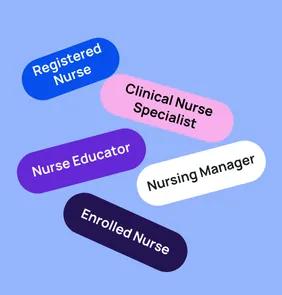
After completing a nursing course, graduates may seek employment in various healthcare settings, including hospitals, aged care facilities, and community health services. Roles they may choose to take on after graduating may include working as a:













What do Nursing graduates do?
Graduates in nursing engage in a variety of roles and responsibilities that are essential to patient care. They assess, plan, implement, and evaluate nursing care for patients, ensuring that care is tailored to individual needs. Nurses work collaboratively with other healthcare professionals to coordinate patient care and provide interventions such as administering medications and monitoring patient responses.
In addition to direct patient care, nurses also play a significant role in health promotion and education. They participate in community health initiatives, providing information and resources to help individuals maintain their health and prevent illness. Nurses may also supervise and mentor enrolled nurses and other healthcare workers, contributing to the development of the next generation of nursing professionals.
Some specific tasks that nurses may perform include:
- Conducting patient assessments and developing care plans
- Administering medications and treatments
- Monitoring vital signs and patient conditions
- Providing emotional support to patients and families
- Participating in health education and promotion activities
- Collaborating with multidisciplinary teams to ensure comprehensive care
- Documenting patient care and maintaining accurate records
- Engaging in professional development and continuing education
Is Nursing right for you?
To thrive in the nursing industry, individuals should possess a range of skills and attributes that are essential for providing high-quality patient care. Key skills include:
- Strong communication skills for interacting with patients and healthcare teams
- Empathy and compassion to support patients emotionally
- Critical thinking and problem-solving abilities to assess and respond to patient needs
- Attention to detail for accurate medication administration and patient monitoring
- Time management skills to prioritise tasks effectively
- Ability to work collaboratively in a team environment
- Adaptability to handle the dynamic nature of healthcare settings
- Commitment to ongoing professional development and learning
- Resilience to cope with the emotional demands of nursing
- Technical skills for using medical equipment and technology
Job opportunities
The job market for nurses in Australia is robust, with a growing demand for qualified professionals across various healthcare settings. According to the Australian Institute of Health and Welfare, the nursing workforce is expected to continue expanding, with significant opportunities in both metropolitan and rural areas. Registered nurses are particularly sought after, with many hospitals and healthcare facilities offering competitive salaries and benefits to attract talent.
Employment opportunities for nurses can be found in a range of sectors, including:
- Public and private hospitals
- Aged care facilities
- Community health services
- Primary healthcare settings
- Specialist clinics and private practices
Additionally, nurses with advanced qualifications, such as nurse practitioners, are increasingly in demand, particularly in rural and remote areas where access to healthcare services may be limited. The Australian Nursing and Midwifery Federation reports that the profession is experiencing a positive growth trajectory, making it an excellent time for individuals to pursue a career in nursing.
Frequently Asked Questions
Are nursing qualifications recognised across Australia?
Yes. Courses delivered by accredited providers and listed on TEQSA or training.gov.au are nationally recognised and meet AHPRA standards.
What postgraduate nursing courses are available?
Options include Graduate Certificates in Mental Health, Critical Care, Aged Care, or Public Health, plus full Master of Nursing degrees. These courses support professional growth and specialisation.
Can international nurses study or practise in Australia?
Yes, but they must meet English language requirements, have qualifications assessed by AHPRA, and complete bridging programs if necessary. Visit ahpra.gov.au.
What’s the employment outlook for registered nurses?
Strong. The Australian government projects continued growth, especially in aged care and regional healthcare. View updated projections at Labour Market Insights.
Is there a difference between clinical and non-clinical nursing careers?
Yes. Clinical nurses work directly with patients; non-clinical roles include education, policy, research, and healthcare coordination. Postgraduate study can open both pathways.


