Accredited courses from leading Australian universities, TAFEs and colleges


Qualification Level
Accredited courses from leading Australian universities, TAFEs and colleges



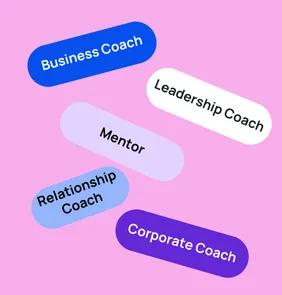
Coaching sits at a mix of people skills, good talk, and steady practice. It draws in people who want to help others change for the better, be it in sport, life, or work. A coach uses close listening and a clear plan to help each client take real steps forward.
Jobs and Skills Australia’s 2025 figures show the sports coaching workforce growing by around 5,200 people a year. The wider coaching field has grown too, as more firms pay for staff growth, job support, and coaching for their team leaders.
For a person moving in from another field, a Certificate IV in Workplace and Business Coaching gives a clear path into work or life coaching. It builds on the skills you already have in talk and team lead, rather than starting from zero.
More firms now see coaching as a way to lift how well staff work and how long they stay. If you take up this field, you can look forward to a career that changes day to day and rewards a curious, caring mind. It also asks you to keep growing your own craft as you go.
Coaching workers may earn between $55000 and $120000 per year
Jobs and Skills Australia’s 2025 data puts median full-time pay for sports coaches, instructors, and officials at $1,442 a week. That’s close to $75,000 a year before tax.
SEEK’s 2026 career advice page lists coach salaries in Australia between $70,000 and $90,000 a year. PayScale’s 2026 figures show executive coaches averaging $78,125.
Job coaches and entry-level practitioners tend to earn less. PayScale puts their average closer to $62,000 a year. Senior corporate or executive coaches with a solid client base can earn well over $120,000.
After you finish a coaching qualification, you’ll likely move into a role that blends mentoring, strategy, and performance work. Common paths include working as a:
Coaches guide clients through the process of setting clear goals and building the confidence to reach them. Whether they specialise in sport, life, or executive coaching, they use structured conversations and practical exercises to help people move forward.
Sports coaches spend much of their time on the field or court, breaking down technique, planning training sessions, and building team strategy. Life and career coaches tend to work one-on-one, helping clients clarify their goals and stay accountable to the steps that get them there.
Typical tasks include:
Many coaches also mentor newer coaches or help organisations build stronger coaching cultures. That extends their impact well beyond individual sessions.
To do well as a coach, you’ll draw on a mix of people skills and sharp thinking, such as:
Job openings in coaching are broad and growing, and they span sport, corporate, and personal development settings. Graduates find work in schools, community clubs, and professional sporting teams, as well as corporate learning and development teams. Many coaches also build their own private practice, offering sessions to individuals or small firms.
Experienced coaches often step up into bigger roles, such as sports administration, executive coaching, or leadership posts inside larger firms. A strong track record and a loyal client base tend to open these senior roles over time.
A coaching course opens more doors than most people expect, since the skills carry over well past one-on-one client work. Graduates move into consulting, team leadership, and their own private practice just as easily as they stay in pure coaching roles.
Many advanced courses cover corporate coaching and team leadership, which suit HR staff or senior workers stepping into bigger roles. Some coaching courses also qualify for government-funded places, depending on the course and your own circumstances.
Graduates may work as paid coaches, performance advisers, or team leaders, or run their own private practice. Coaching skills also help in top-level roles, since strong talkers tend to move up fast in those jobs.
Diploma courses cover deeper talk skills, ethics, client care, and how to run a small business. They suit people who want to start their own practice or work in a firm that calls for a higher skill level.
Yes. Many courses follow coaching rules used the world over. That makes it easier to work with clients overseas or apply to join a global coaching body once you finish.
Yes, very much so. Coaching skills help managers, teachers, health staff, and advisers alike. They aid conflict fixes, motivation, and team growth in almost every field.
Yes. Many higher-level courses cover firm-wide coaching, team lead, or how to track staff results. These suit HR staff or senior workers moving into bigger coaching roles.
Some coaching courses are eligible for government-funded places or VET Student Loans, depending on the course and your own case. It’s worth checking your eligibility before you enrol.